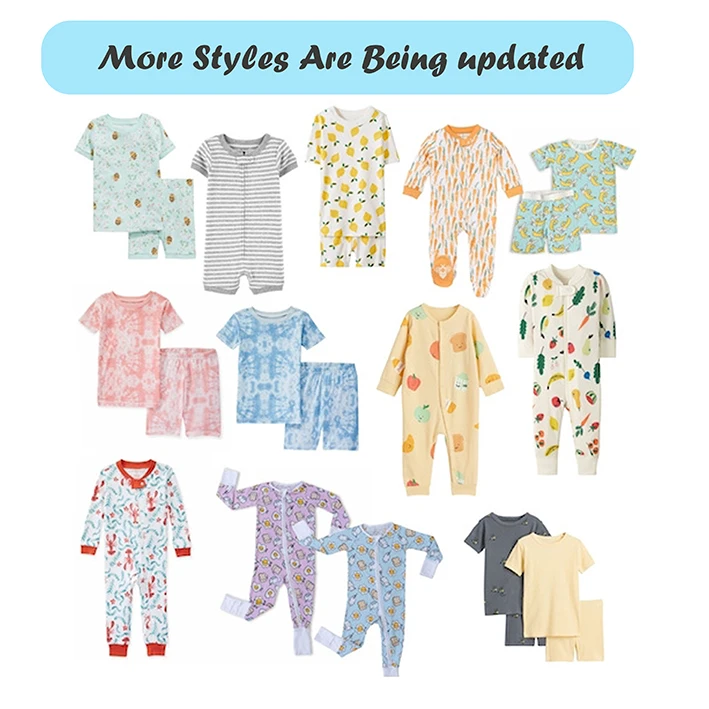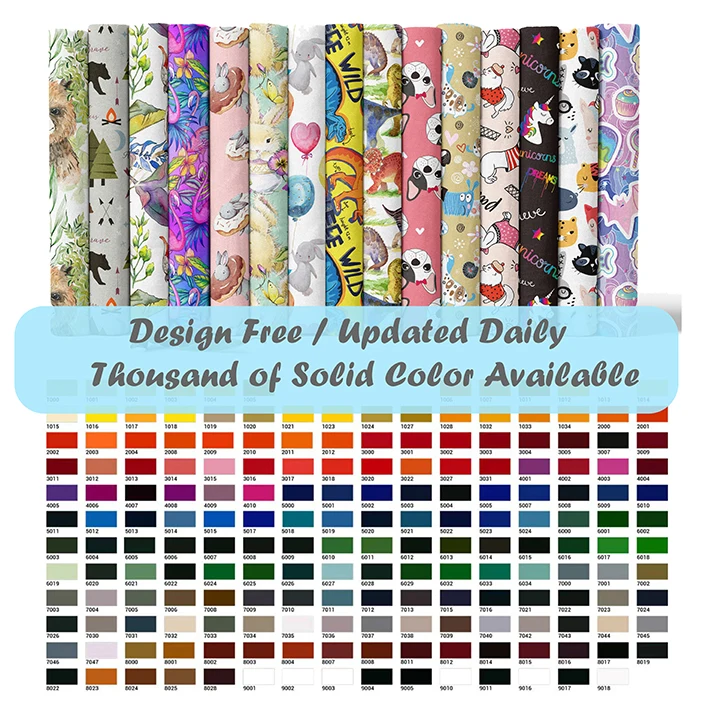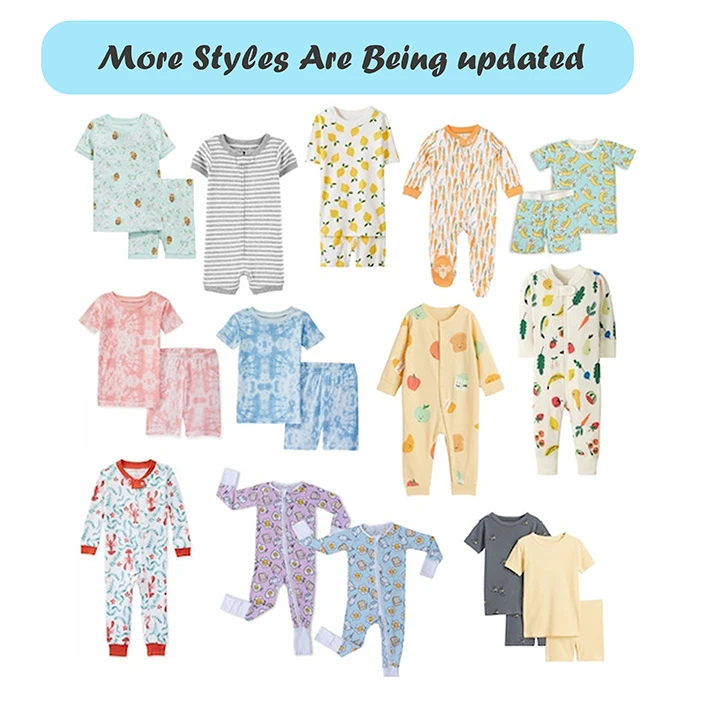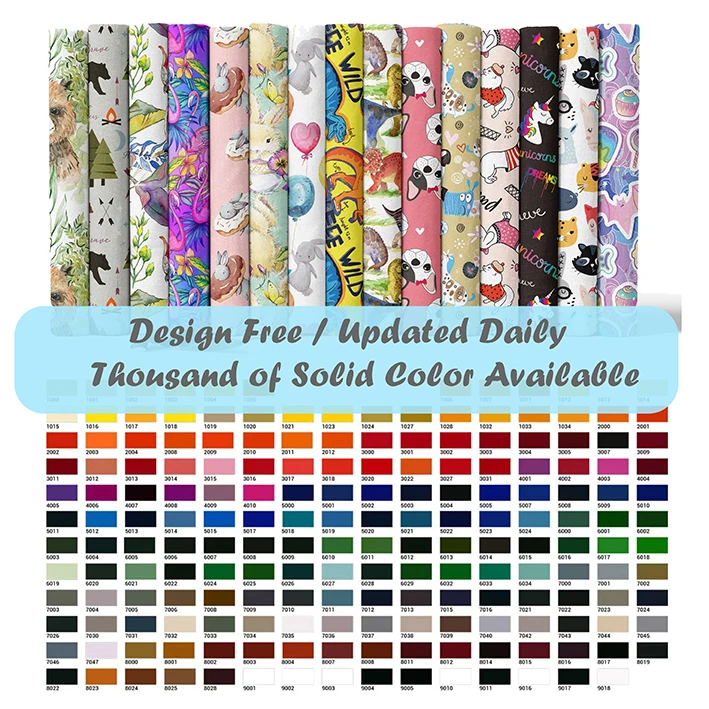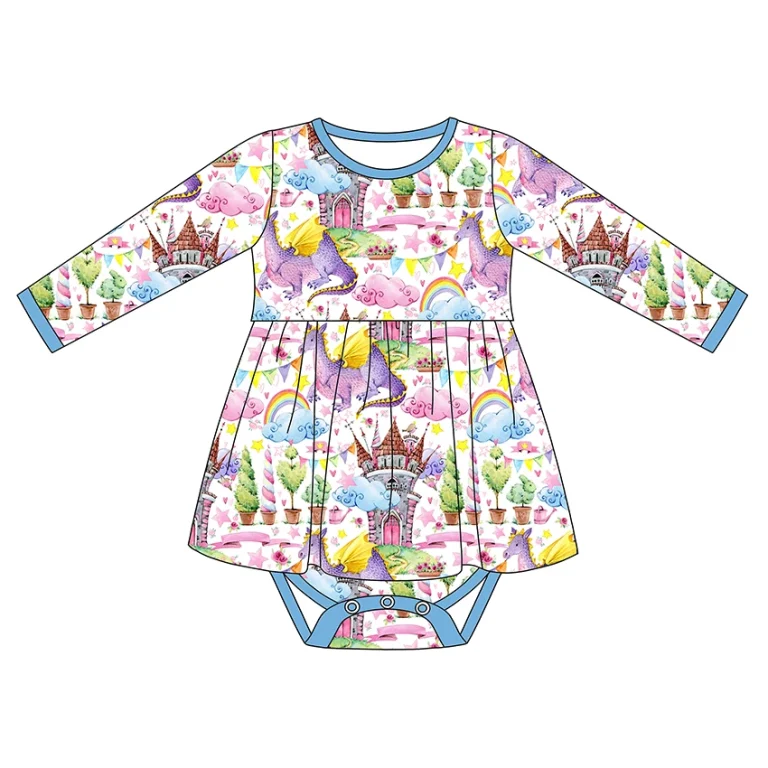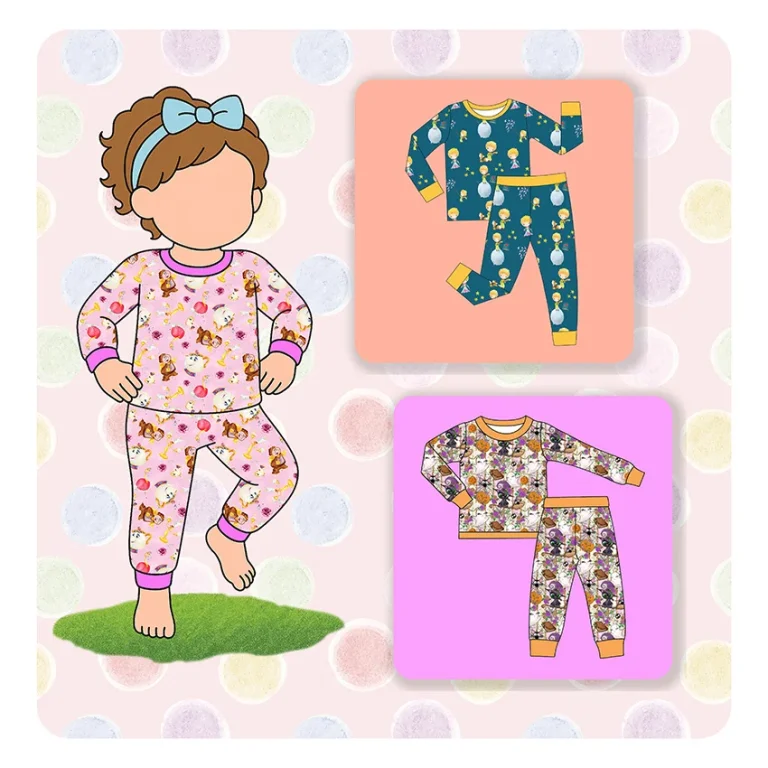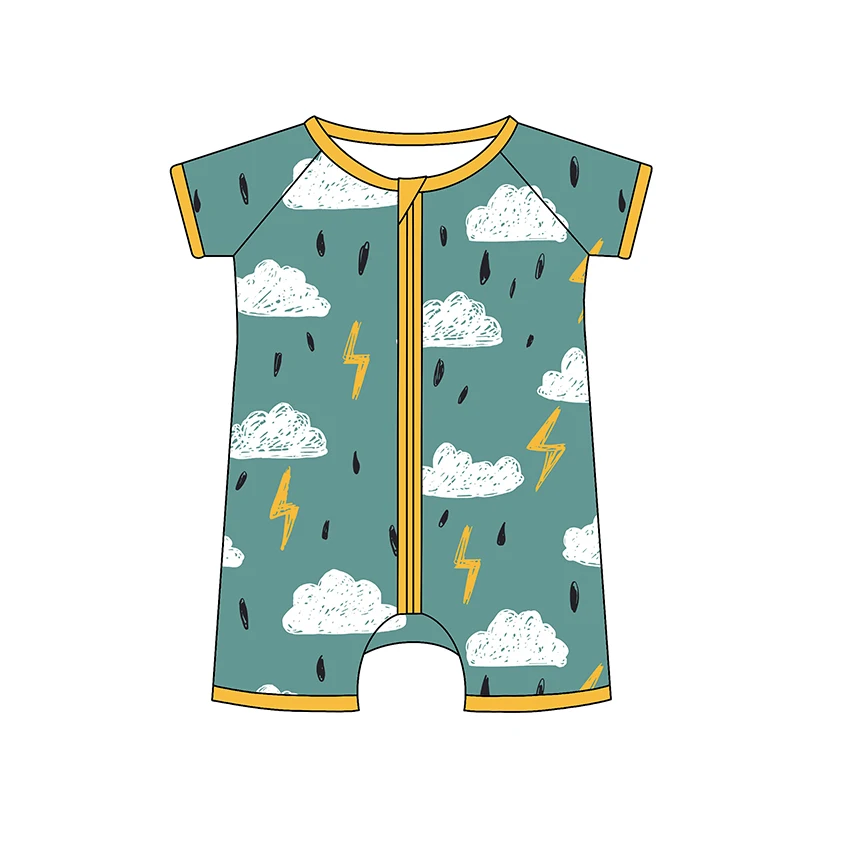
Seamless Pajamas Linen Or Bamboo Low MOQ Factory with ISO 9001:2015 Compliance
Understanding the Key Differences Between Linen and Bamboo for Pajamas
When sourcing materials for pajamas, manufacturers and brands often face the choice between linen and bamboo textiles. Both materials offer distinct benefits and qualities that cater to different customer preferences. This article delves into the comparative advantages of pajamas linen or bamboo, providing insights to help businesses make informed decisions.
Material Composition: Natural vs. Engineered Sustainability
Linen is crafted from flax fibers, making it one of the oldest and most traditional textile materials. It is known for its durability, breathability, and natural texture. However, the manufacturing process of linen involves significant water consumption and energy use.
On the other hand, bamboo fabric, particularly viscose from bamboo, is derived from the pulp of bamboo plants. Bamboo is a naturally renewable resource that grows rapidly without the need for extensive chemical inputs. When opting for certified bamboo clothing, manufacturers can ensure adherence to eco-friendly practices, particularly when the bamboo is sourced from sustainable plantations and processed with closed-loop systems to minimize environmental impact.
Comfort and Wearability: Which Material Performs Better?
When it comes to customer satisfaction, comfort and practicality are critical factors. Both linen and bamboo fabrics offer unique features that appeal to end users:
- Linen: Linen fabric is lightweight and breathable, making it ideal for hot climates. However, it tends to wrinkle easily and can feel stiff until softened with repeated use.
- Bamboo: Bamboo-derived fabrics are renowned for their silky texture, moisture-wicking properties, and hypoallergenic nature. These features make bamboo an excellent choice for sensitive skin and year-round comfort.
For bulk orders of pajama materials, it’s essential to consider customer demographics. For example, younger audiences may prefer the softness and stretch of bamboo, whereas linen may appeal to those seeking a classic and structured aesthetic.
Sustainability and Certifications: The Role of Standards in Purchasing Decisions
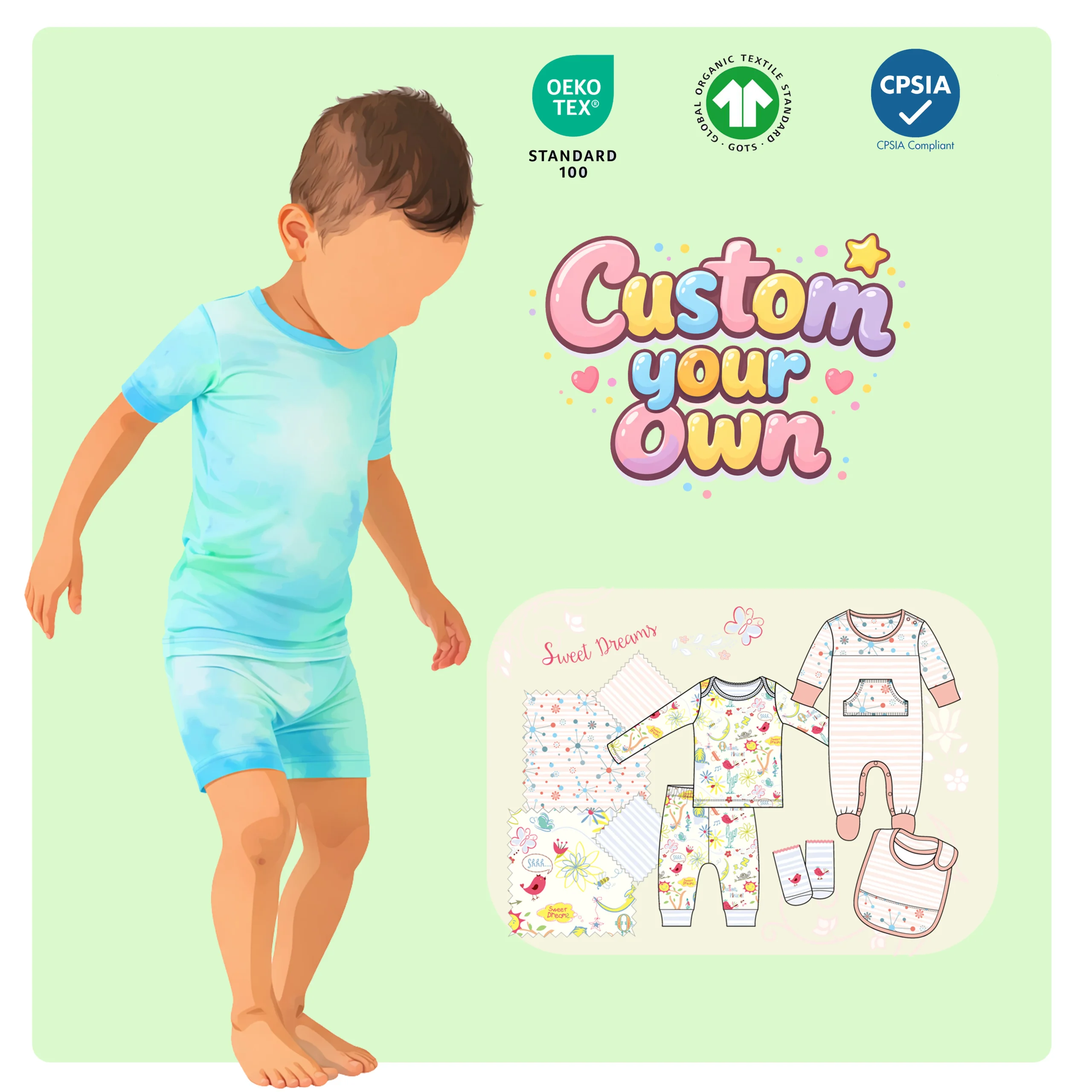
As sustainability continues to shape the textile industry, certifications have become an important factor for brands and wholesalers. Bamboo fabrics hold an edge in this regard, particularly when suppliers provide credible certifications such as Oeko-Tex or FSC. These certifications ensure eco-friendly production processes and reassure buyers about the ethical sourcing of materials. Opting for pajamas linen or bamboo premium cpc certified certified bamboo clothing can add significant value to your product line by appealing to eco-conscious consumers.
For linen, certifications like GOTS (Global Organic Textile Standard) or OEKO-TEX are also available, but it is worth noting that the flax farming and processing supply chain may not always adhere to the same sustainability standards as bamboo.
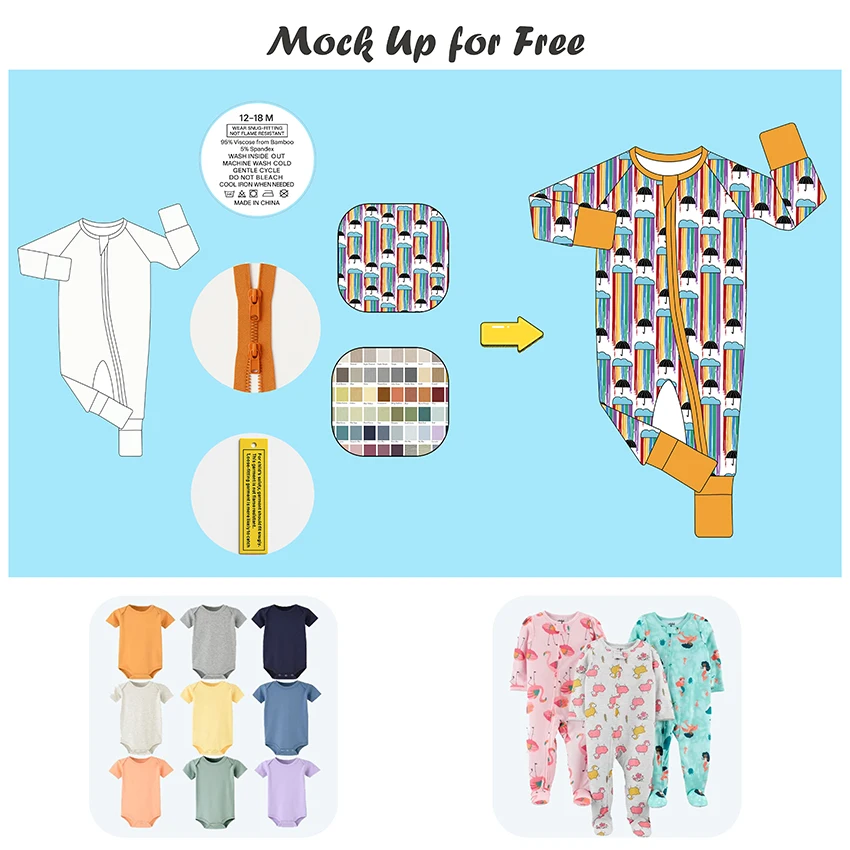
Cost Analysis: Balancing Quality and Price
Cost is a critical consideration for bulk purchasers. Linen production, while traditional, often incurs higher costs due to the labor-intensive nature of flax cultivation and processing. Bamboo, despite being a sustainable resource, can also vary in price depending on the certifications and processing methods used.
It’s important for brands to evaluate the long-term value of their investment. Bamboo pajamas might initially appear more expensive, but the added benefits of softness, durability, and sustainability often justify the premium cost. For wholesalers, selecting pajamas linen or bamboo with certifications can also provide a competitive edge and justify higher price points to end consumers.
Care and Longevity: Practical Considerations for End Consumers
Care instructions play a significant role in customer satisfaction and product longevity:
- Linen: Linen requires gentle washing to prevent fiber damage, and it will naturally soften over time. However, its tendency to wrinkle and shrink may deter some buyers.
- Bamboo: Bamboo fabrics are low-maintenance, typically requiring cold water washing and minimal ironing. The fabric’s natural resilience also helps it maintain its shape and texture after repeated use and washing.
For brands catering to busy parents or professionals, bamboo pajamas represent a more practical option. Its easy-care nature can be a strong selling point in marketing campaigns.
Market Trends and Consumer Preferences
The demand for sustainable and comfortable textiles is driving growth in the bamboo clothing market. As customers become increasingly aware of the environmental impact of their purchases, offering certified bamboo clothing can align with these market trends. Furthermore, bamboo’s hypoallergenic and antimicrobial properties provide added health benefits, which resonate with the rising focus on wellness in the fashion industry.
Linen, while traditional, may appeal to niche markets seeking classic aesthetics. However, its higher environmental footprint and labor-intensive care requirements could make it less attractive for larger-scale or eco-conscious buyers.
Customized Solutions for Bulk Buyers
Choosing the right material for your pajamas depends on your brand’s target audience, sustainability goals, and operational priorities. Whether you’re interested in the timeless appeal of linen or the modern versatility of bamboo, our factory specializes in delivering high-quality, certified products tailored to your needs. For pajamas linen or bamboo premium cpc certified certified bamboo clothing inquiries, we offer customized solutions for bulk orders. Contact us today to discuss your requirements and elevate your product line with premium materials.