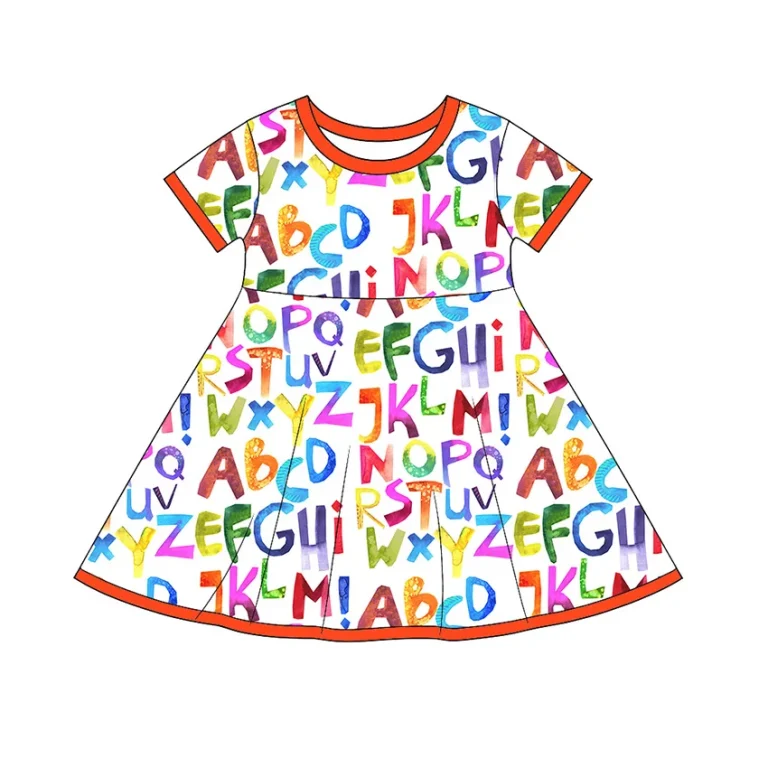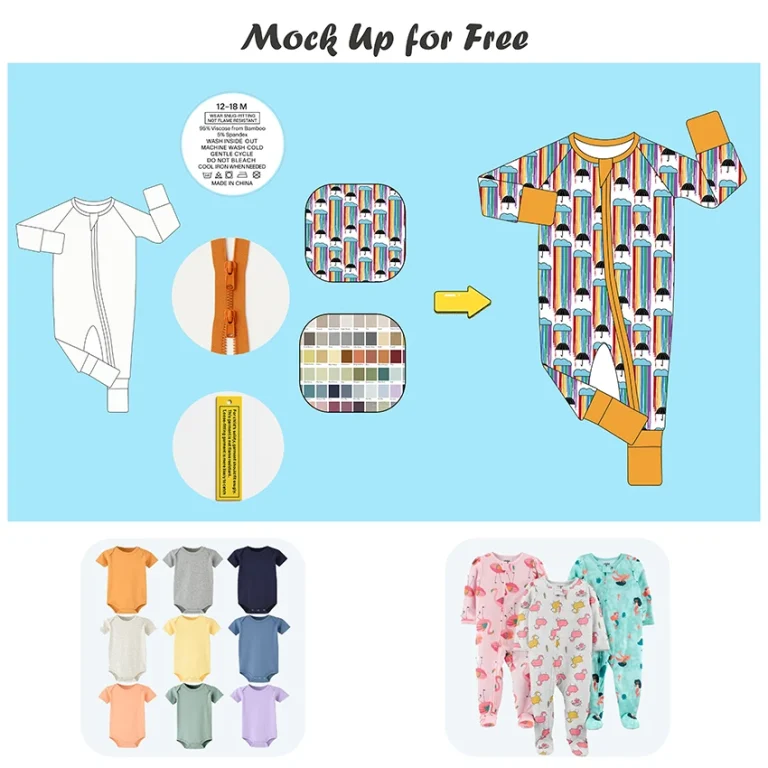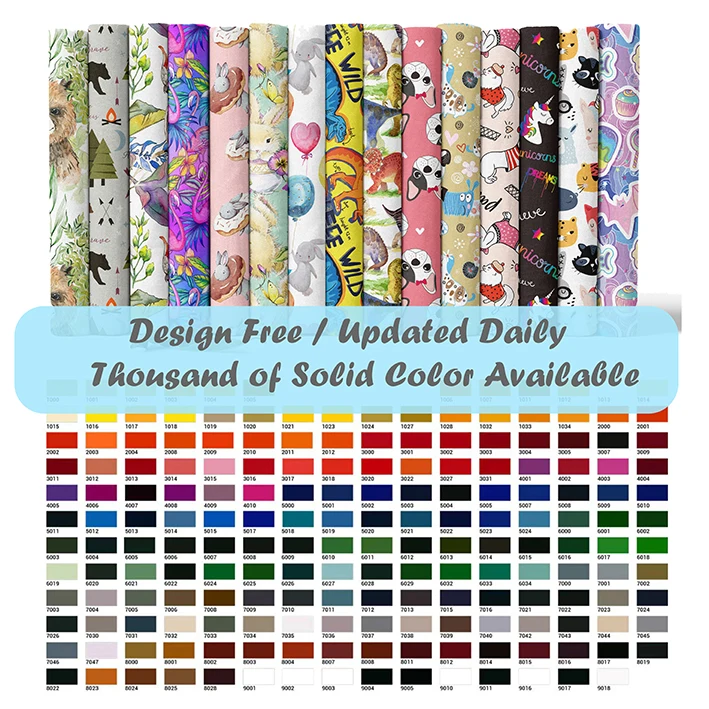
Scalable Private Label Fabric Material Baby Romper OEM/ODM Solutions Grow Your Boutique wi
Key Considerations When Selecting Fabric Material for Baby Rompers
Choosing the right fabric Material Baby Romper is crucial for businesses aiming to offer high-quality baby clothing. Infant skin is highly sensitive, and the type of fabric used can directly impact comfort, safety, and overall satisfaction for end consumers. This article delves into the critical aspects of fabric selection, highlighting the importance of eco-friendly bamboo fibers and manufacturing standards for babywear.
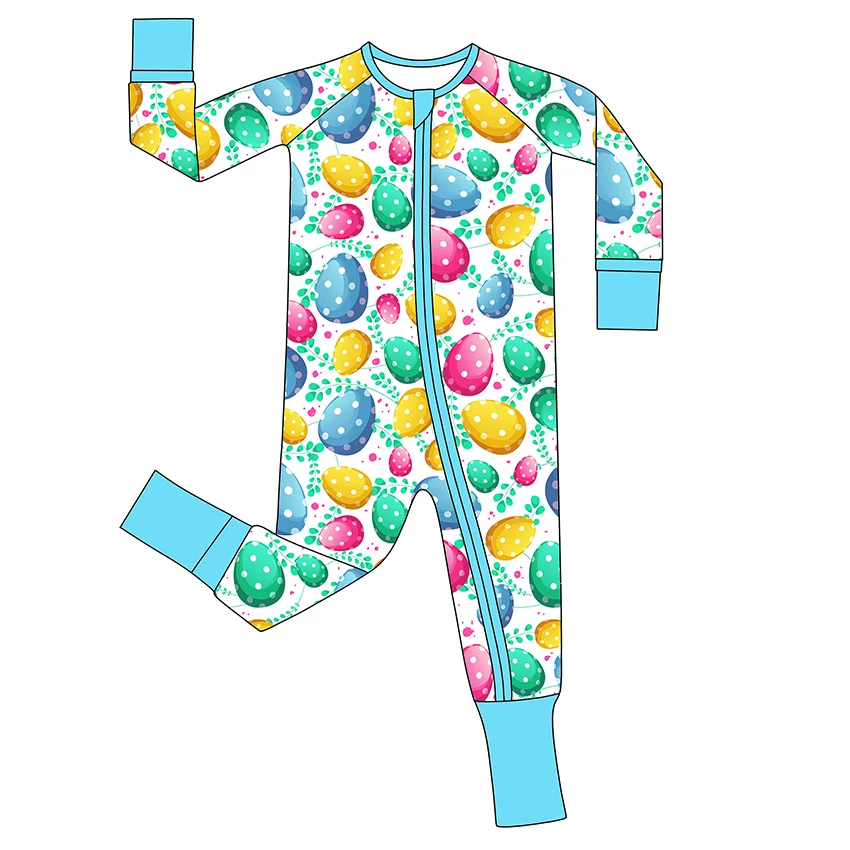
Why Fabric Choice Matters in Baby Romper Design
Comfort and Breathability
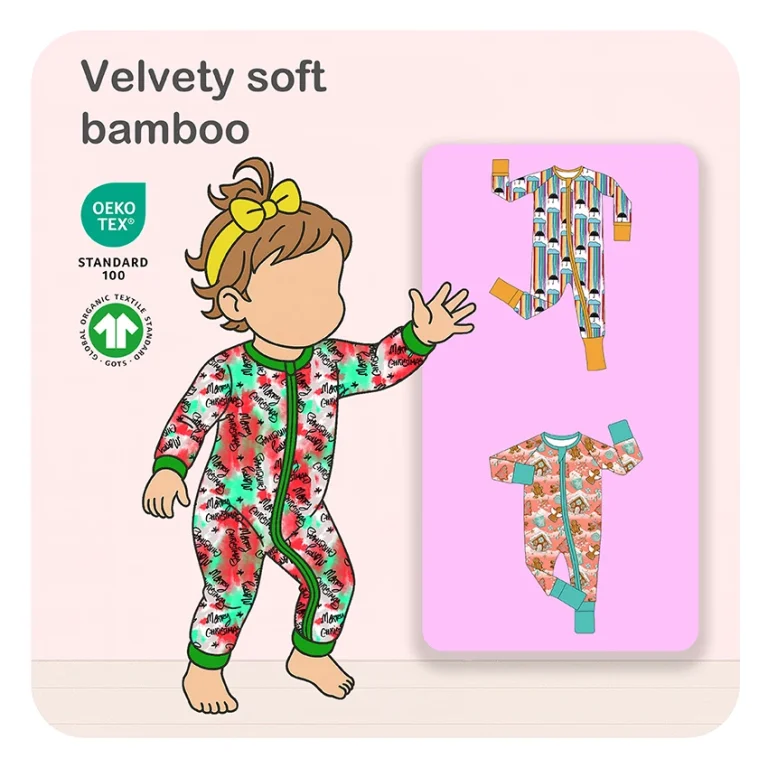
Babies require fabrics that are breathable, soft, and gentle against their delicate skin. Bamboo viscose stands out as one of the best options for fabric Material Baby Romper production due to its unparalleled softness and hypoallergenic properties. Its ability to regulate temperature ensures that babies remain comfortable in warm or cool environments.
Safety and Eco-Friendliness
Modern parents are increasingly concerned about sustainability and non-toxic materials for baby products. Eco-friendly fabrics, such as bamboo and organic cotton, are free from harmful chemicals and dyes, making them ideal for baby rompers. Manufacturers meeting stringent environmental certifications demonstrate commitment to both child safety and eco-conscious production.
Durability and Stretch
Babies engage in constant movement, which necessitates fabrics that can withstand wear and tear while maintaining elasticity. Bamboo fabric not only offers durability but also natural stretch, making it an excellent choice for active infants. This ensures that rompers retain their shape after multiple washes, reducing customer complaints and returns.
Manufacturing Standards for Baby Rompers
Factory Direct Partnerships
Working directly with a factory offers businesses more control over quality, pricing, and customization options when sourcing fabric Material Baby Romper. It eliminates unnecessary intermediaries, ensuring faster lead times and a more transparent production process.
Testing and Certifications
A reliable manufacturer must comply with global safety standards such as OEKO-TEX and ISO certifications. These certifications guarantee that the baby rompers are free from harmful substances and meet rigorous quality benchmarks. Bulk buyers should always prioritize factories with documented compliance.
Customization and Scalability
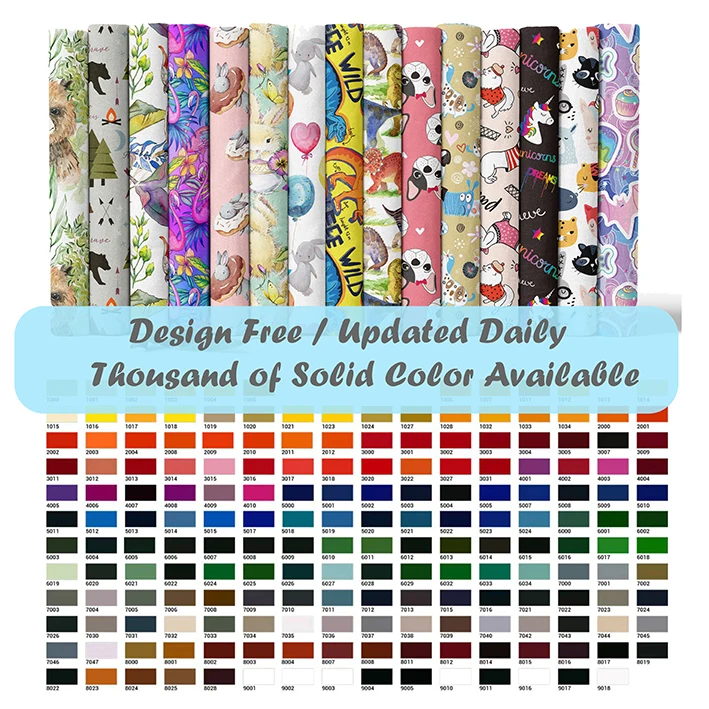
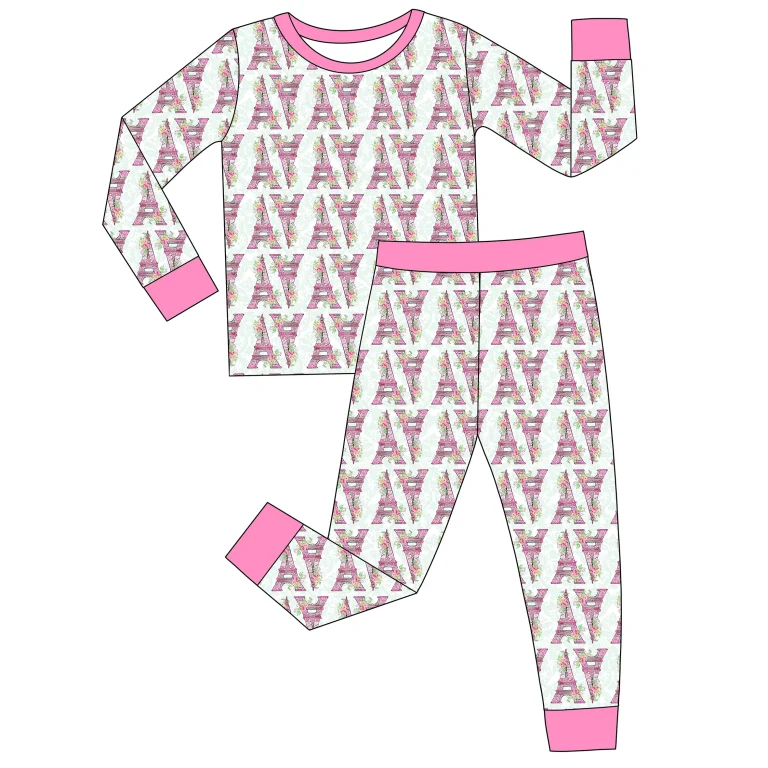
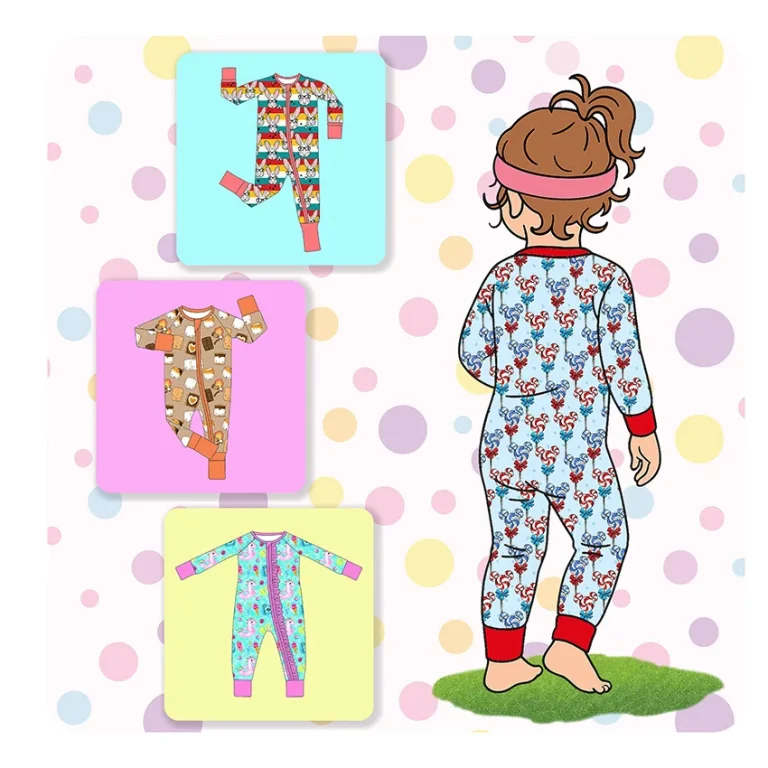
Factories specializing in fabric material baby romper factory direct eco-friendly baby clothing manufacturer solutions often offer OEM and ODM services, allowing brands to tailor fabrics, colors, and designs to meet their customers’ preferences. Additionally, scalable production capabilities enable businesses to grow without disruption.
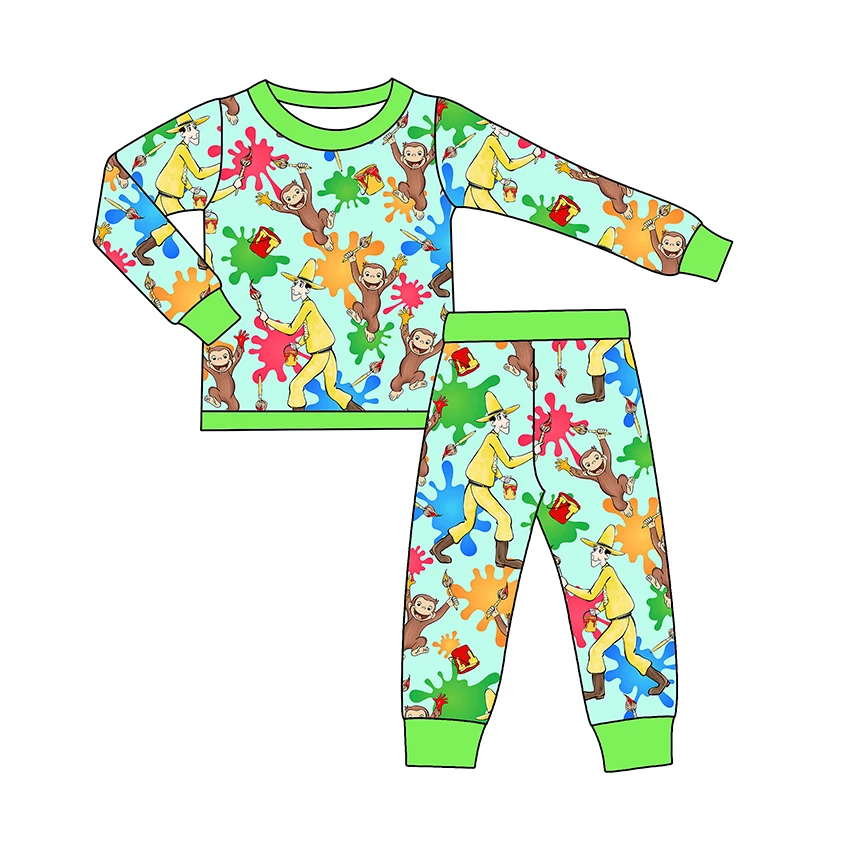
Advantages of Bamboo Fabric in Baby Romper Manufacturing
- Softness: Bamboo fibers are noticeably softer than cotton, offering unmatched comfort for babies.
- Hypoallergenic: Bamboo fabric is naturally resistant to allergens and irritants, reducing risks of rashes and skin sensitivity.
- Eco-Friendly: Bamboo grows quickly without pesticides, making it a sustainable choice for manufacturers.
- Moisture Wicking: Bamboo’s ability to wick moisture ensures babies stay dry and comfortable.
- Anti-Bacterial Properties: Bamboo contains natural antibacterial agents that inhibit odors and bacteria growth.
Procurement Tips for Bulk Buyers
When evaluating suppliers for baby rompers, prioritize manufacturers who specialize in eco-friendly production and have a proven track record in handling bulk orders. Ask for detailed product specifications, including fabric composition and dye types. Transparency in production processes builds long-term trust and ensures consistent product quality.
We offer tailored solutions to meet your brand’s specific requirements. For fabric material baby romper factory direct eco-friendly baby clothing manufacturer inquiries, please contact us for customized solutions or bulk order quotes tailored to your business needs.