Mass Production Baby Bamboo Romper Fabric BSCI Audited Factories Scalable Solutions for Bi
The Importance of Baby Bamboo Romper Fabric for Sustainable Babywear
As the global demand for eco-conscious and sustainable baby clothing rises, manufacturers, wholesalers, and brands are actively seeking materials that meet both environmental and safety standards. Baby bamboo Romper Fabric has emerged as a leading choice, combining softness, durability, and sustainability. This article explores the key qualities, advantages, and industrial specifications of bamboo fabrics for baby rompers, offering insights for bulk buyers and brands aiming to deliver premium babywear products.
Why Choose Baby Bamboo Romper Fabric?
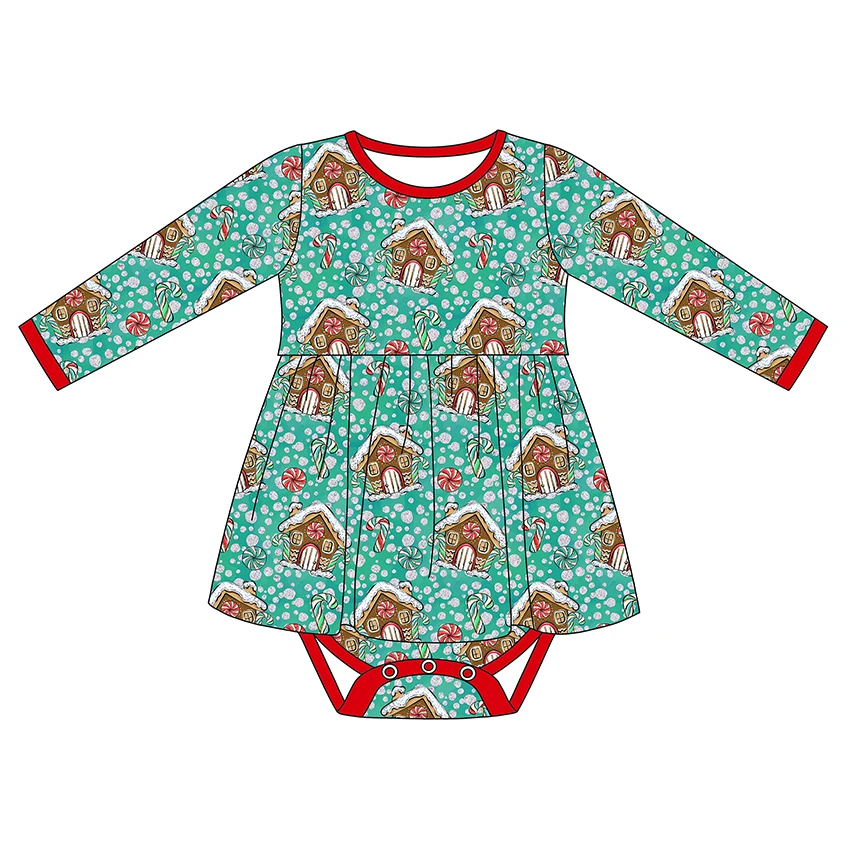
Baby bamboo Romper Fabric has become a preferred material in the babywear industry, driven by its unique properties. Here are some of the critical reasons why this fabric is widely favored:
- Eco-Friendly and Sustainable: Bamboo is one of the fastest-growing plants in the world, requiring minimal water and no pesticides. This makes it an eco-conscious alternative to cotton and synthetic fibers.
- Hypoallergenic Properties: Bamboo fibers are naturally gentle on sensitive baby skin, reducing the risk of irritation, rashes, and allergies.
- Breathability: The fabric’s natural moisture-wicking properties ensure that babies stay dry and comfortable, even in warm climates.
- Temperature Regulation: Bamboo fabric adapts to temperature changes, providing warmth in cooler weather and keeping the baby cool during hot seasons.
- Durability: With proper care, bamboo fabrics retain their softness and shape over time, offering excellent long-term value for both manufacturers and consumers.
Key Specifications to Consider in Baby Bamboo Romper Fabric
When sourcing or manufacturing Baby bamboo Romper Fabric, understanding its technical specifications is essential to ensure product quality and customer satisfaction. Below are the primary attributes to evaluate:
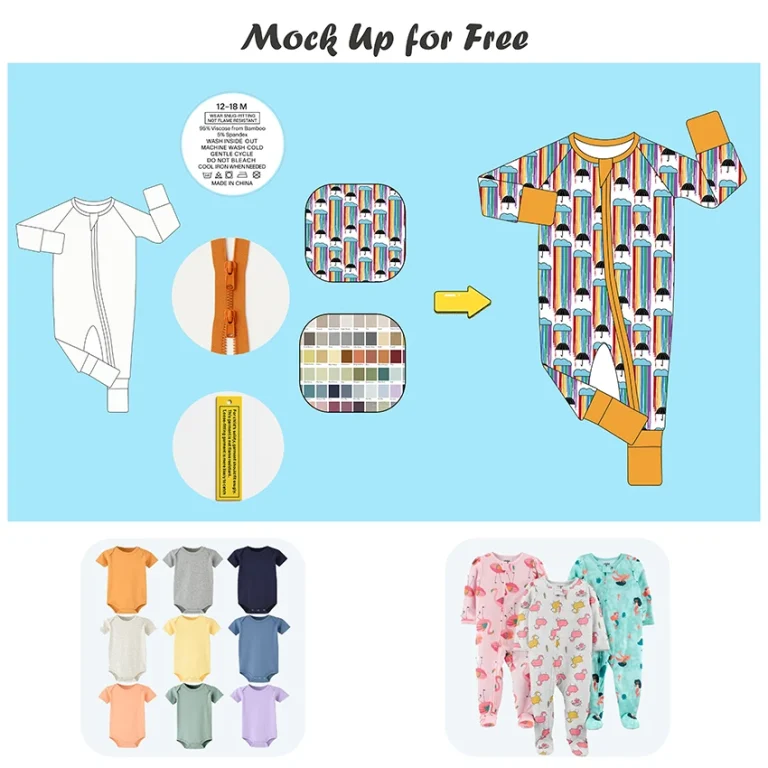
- Material Composition: Look for fabrics made with 95% or more bamboo viscose for optimal softness and eco-friendliness. A small percentage of spandex (usually 5%) is often added for stretchability and improved fit.
- GSM (Grams per Square Meter): Ideal GSM for baby rompers typically ranges between 180-250, offering a balance of thickness, softness, and breathability.
- Dyeing Process: Ensure low-impact dyes are used to minimize the environmental footprint and reduce potential chemical exposure for babies.
- Certifications: Look for fabrics certified by standards such as OEKO-TEX® or GOTS, guaranteeing that the material is free from harmful substances.
- Stretch and Recovery: High-quality bamboo fabrics should offer excellent elasticity without losing their original shape after repeated wear and washing.
Advantages of Factory Direct Partnerships
Establishing a direct relationship with a baby bamboo romper fabric factory direct eco-friendly baby clothing manufacturer offers multiple benefits for bulk buyers and brands. Here’s why factory direct sourcing is advantageous:
- Cost Efficiency: Cutting out intermediaries leads to reduced costs per unit, enabling competitive pricing and higher profit margins.
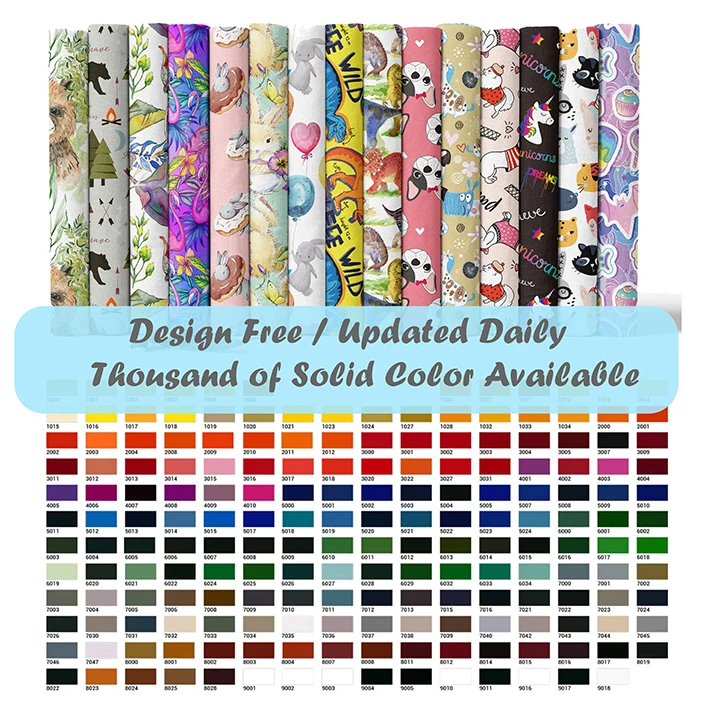
- Customization Options: Manufacturers often provide flexibility in fabric composition, color options, and GSM, allowing brands to create tailored babywear collections.
- Quality Assurance: Direct communication with factories ensures strict quality control at every production stage, from raw material selection to final inspection.
- Scalability: Factories are equipped to handle both small and large-scale production, making it easier to scale operations as your business grows.
- Eco-Certifications and Compliance: Reputable manufacturers typically adhere to international environmental and safety standards, a critical factor for conscious consumers.
Emerging Trends in the Baby Bamboo Fabric Industry
The babywear industry continues to evolve, with a growing emphasis on sustainability and innovation. Here are some key trends shaping the market:
- Blended Fabrics: Combining bamboo with organic cotton or hemp for added strength and texture, balancing eco-friendliness with performance.
- Advanced Finishing Techniques: Softening treatments and anti-static finishes are enhancing the feel and functionality of bamboo fabrics.
- Traceability: Brands are increasingly demanding traceability in the supply chain, ensuring ethical sourcing and transparency.
- Eco-Packaging: Partnering with manufacturers who provide sustainable packaging solutions, such as biodegradable bags and recycled materials.
Partner with a Trusted Manufacturer
Collaborating with a baby bamboo romper fabric factory direct eco-friendly baby clothing manufacturer ensures access to premium-quality materials, competitive pricing, and customized solutions tailored to your brand’s needs. Whether you’re a new brand aiming for a low minimum order quantity or a large-scale retailer seeking reliable bulk production, a trusted manufacturer can provide end-to-end support.
For customized solutions or bulk order inquiries, contact us today to explore how we can help you scale your baby clothing business while maintaining eco-conscious principles.