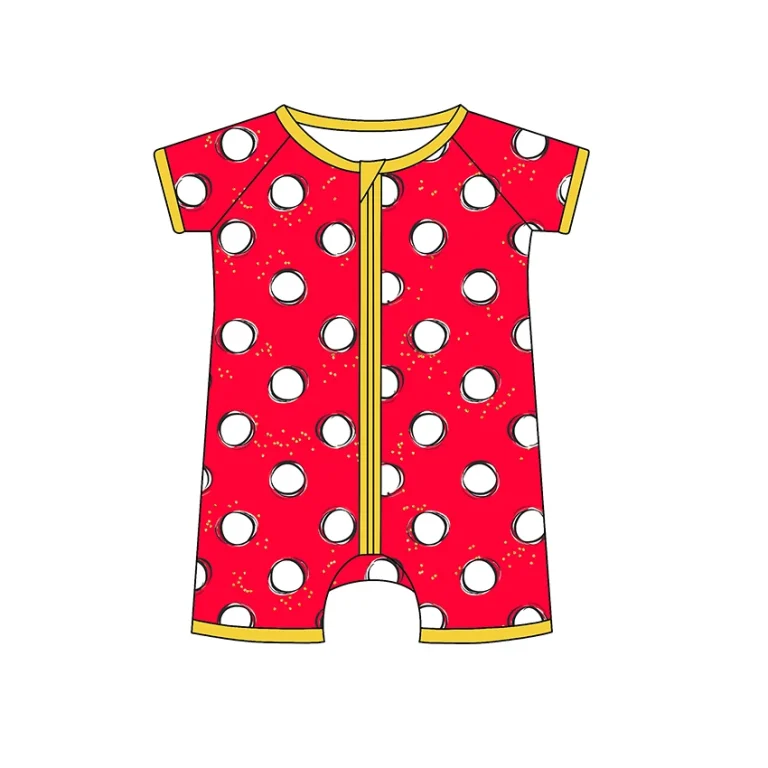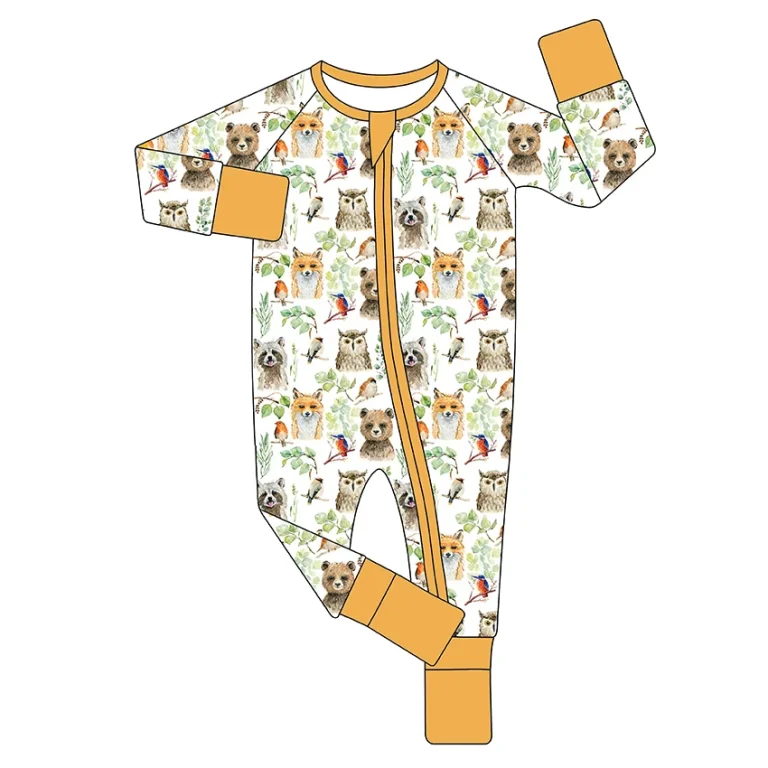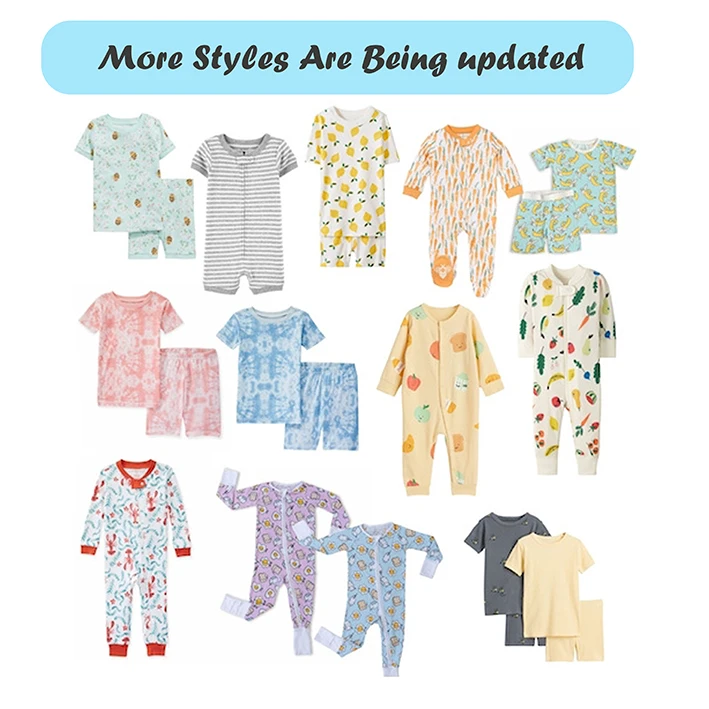
Scalable Fabrics Rapid Sample Development – Maximize Your Retail Margins
The Role of Premium Fabrics in Baby Clothing Manufacturing
In the highly competitive baby clothing industry, fabric quality is a critical factor that significantly influences purchasing decisions. As a business partner, selecting the right fabrics not only ensures product safety and comfort but also enhances brand reputation. Understanding material specifications, environmental impact, and supplier capabilities is key to staying ahead in this dynamic market.
Key Attributes of Fabrics for Baby Clothing
1. Safety and Skin-Friendliness
Babies have delicate and sensitive skin, making hypoallergenic and non-toxic materials a priority. The selected fabrics should meet international safety standards such as Oeko-Tex Standard 100 or GOTS (Global Organic Textile Standard). Materials like bamboo viscose and organic cotton are preferred for their natural softness, breathability, and chemical-free production processes.
- Hypoallergenic: Prevents skin irritation and rashes.
- Breathability: Enhances temperature regulation for comfort.
- Non-toxic Dyes: Ensures colorfastness without harmful chemicals.
2. Durability and Stretchability
Baby clothing needs to withstand frequent washing and wear without losing its integrity. Fabrics such as bamboo blends provide excellent durability while maintaining softness. Stretchable fibers ensure greater comfort and adaptability for active infants and toddlers.
- Shape Retention: Maintains form after repeated laundering.
- Stretch and Recovery: Enhances ease of movement and comfort.
- Pilling Resistance: Prevents unsightly fuzz on garments.
Eco-Friendly Considerations in Fabrics Selection
Modern consumers are increasingly inclined toward sustainable and eco-conscious products. Partnering with a fabrics factory direct eco-friendly baby clothing manufacturer that prioritizes sustainability not only aligns with market trends but also fosters brand loyalty. Materials like bamboo and organic cotton stand out for their minimal environmental footprint.
1. Reduced Environmental Impact
Sustainable fabrics are produced with significantly lower water consumption and reduced reliance on synthetic chemicals compared to conventional materials. Bamboo, for instance, is a renewable resource that grows rapidly without the need for pesticides or fertilizers.
- Energy Efficiency: Reduces carbon emissions during production.
- Biodegradability: Minimizes long-term waste in landfills.
- Water Savings: Critical in resource-constrained regions.
2. Certifications and Compliance
Working with certified fabric manufacturers ensures compliance with environmental and safety regulations. Look for suppliers that hold GOTS, Oeko-Tex, or similar certifications, as these guarantee the integrity of the manufacturing process.
Factory Direct Benefits for B2B Buyers
1. Cost and Quality Control
Collaborating with a fabrics factory direct eco-friendly baby clothing manufacturer eliminates intermediaries and reduces costs. This direct partnership provides greater transparency and control over quality assurance, ensuring consistent materials for your babywear line.
2. Customization Options
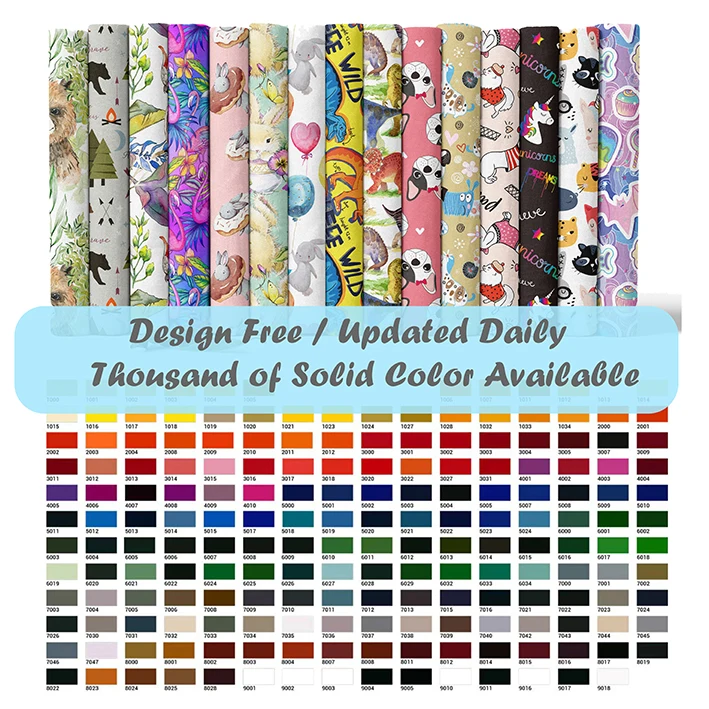
Direct relationships with fabric factories enable customized solutions tailored to your brand’s specific needs. From custom dyeing to unique textile blends, such partnerships allow for a differentiated product lineup.
- Custom Weaving: Create unique textures and patterns.
- Color Matching: Ensure consistent branding in fabric tones.
- Low Minimum Orders: Ideal for emerging brands scaling production.
Whether you are an established retailer or a startup brand, sourcing premium babywear fabrics directly from eco-conscious manufacturers ensures you deliver safe, durable, and sustainable clothing options to your customers. For customized solutions and bulk order inquiries, contact our team today to explore partnership opportunities tailored to your needs.